Overview
Learning how to stay productive during holidays is essential for professionals working in legal support, administration, and remote roles. This guide explains why productivity drops during the holiday season and offers practical strategies for managing expectations, routines, technology, and mental health—especially for those working remotely or in a hybrid setup within the legal industry.
Table of Contents
Imagine starting your day as a paralegal, logging in from your home office in California with a full calendar—client intake, legal documents to review, and strict court deadlines approaching. As emails pile up and your equipment runs nonstop, rising utility bills quietly add pressure in the background.
This is where energy efficiency strategies become essential for sustainable remote legal work. Optimizing how you use energy directly supports your focus, performance, and long-term productivity.
Why Energy Efficiency Strategies Matter in Modern Legal Work
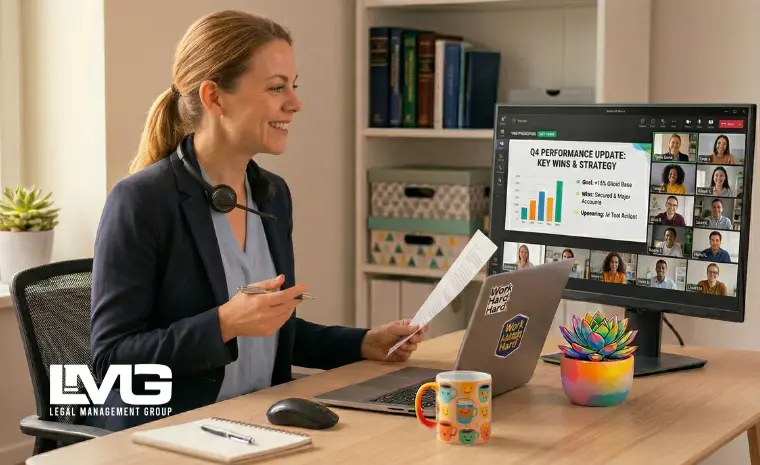
Remote legal work isn’t just about skill; it’s about consistency.
For professionals working remotely for a law firm, whether you’re a paralegal, marketing director, legal assistant, or case manager, small inefficiencies at home can quickly affect remote work productivity.
What creates friction in daily legal work?
- Poor lighting that strains focus
- Overheating devices during legal research or document review
- Disorganized setups that slow down legal support tasks
These issues don’t just feel inconvenient; they impact how efficiently you handle legal documents, case files, and client communication.
Energy efficiency strategies solve this by:
- Reducing unnecessary interruptions
- Improving comfort during long work sessions
- Lowering operational costs at home
Less wasted energy means more consistent performance in the legal industry.
Office vs. Home: Where Legal Work Loses Energy, Time, and Focus
Remote legal work often feels more flexible, but it also shifts responsibility. What a law firm once managed (lighting, ventilation, equipment) now depends on your personal setup.
For legal professionals handling case files, legal research, and document-heavy tasks, hidden inefficiencies directly affect remote work productivity.
Where does energy and performance get lost?
Environment | Common Energy Issues | Impact on Legal Work |
Office buildings | Constant lighting, HVAC overuse, shared devices | Higher carbon footprint, less individual control |
Home setups | Standby power, poor ventilation, weak insulation, inefficient monitors | Fatigue, slower workflows, inconsistent focus |
At home, even minor issues like outdated monitors, insufficient LED lighting, or poor ventilation can increase energy consumption and reduce efficiency.
Bottom line: unmanaged energy use creates friction, and friction slows down legal work.
Energy Efficiency Strategies for Remote Legal Teams and Home Offices
Knowing where energy is lost is only step one—what matters is how you fix it in your daily legal work routine.
Practical energy efficiency strategies you can apply today:
- Upgrade to ENERGY STAR equipment: Choose laptops and monitors designed to meet ENERGY STAR standards for lower energy consumption, ideal for long hours of legal research, document review, and case management.
- Switch to LED lighting: Improves visibility during detailed tasks like reviewing legal documents or preparing exhibits, while reducing energy use.
- Enable smart power settings: Set devices to sleep when inactive to avoid unnecessary energy consumption during client intake, e-filing, or transcription tasks.
- Track your energy habits: Use basic energy monitoring tools to identify when your setup consumes the most power during your workday.
- Improve ventilation and airflow: A well-ventilated workspace reduces fatigue and helps maintain focus during intensive legal support tasks.
- Use heat pumps efficiently (if applicable): Optimize temperature settings to stay comfortable without increasing energy costs.
- Simplify your workspace layout: A cleaner desk supports faster workflows across legal research, case files, and calendar management.
According to the U.S. Department of Energy, energy-efficient home office equipment and smart settings can significantly reduce wasted energy, while ENERGY STAR-certified monitors use less power on average.
Choosing Tools That Support Remote Work Productivity in Legal Work
The right tools don’t just make legal work faster; they reduce wasted energy, streamline tasks, and improve daily consistency.
Focus on systems that support both performance and efficiency:
- Energy-efficient laptops and monitors: Reliable devices prevent slowdowns during legal research, case management, and document-heavy workflows.
- Optimized word processing tools: Clean, fast platforms reduce time spent formatting legal documents and reviewing edits.
- Legal AI editors and Large Language Model tools: Help draft, summarize, and organize legal content more efficiently—reducing repetitive effort.
- Secure database and document access: Fast access to case files, exhibits, and medical records avoids workflow interruptions.
- Streamlined screenshot and document workflows: Essential for organizing evidence, discovery requests, and deposition binders.
- Smart calendar management systems: Keep court deadlines, client intake, and legal procedures aligned without manual tracking.
- Electronic discovery and e-filing tools: Reduce paper waste and simplify compliance with court rules.
Key insight: the best tools are not the most advanced—they’re the ones that reduce friction and support consistent legal work.
Cost-Saving Benefits of Energy Efficiency Strategies for Legal Professionals
Energy efficiency strategies don’t just reduce utility bills—they directly support more stable and productive legal work.
Where do the savings actually show up?
- Lower monthly costs from reduced energy consumption
- Fewer workflow interruptions caused by overheating devices or inefficient setups
- Better comfort, leading to longer focus during legal research and document review
- More consistent performance, which supports long-term growth in legal careers
According to the U.S. Department of Energy, improving home energy efficiency can lower energy bills and enhance comfort, while solutions like heat pumps can significantly reduce electricity use when properly installed.
Why Does This Matter if You Want To Grow Your Legal Career
If you’re building a long-term path in the legal industry, consistency matters as much as skill. Energy efficiency strategies help you stay focused, meet deadlines, and perform reliably in remote legal work.
At Legal Management Group (LMG), this mindset is built into how teams operate—combining remote-first flexibility with structured training, clear expectations, and ongoing support.
The goal isn’t just to work remotely; it’s to grow within a system designed for performance and accountability.
Ready to take the next step in your legal career?
If you’re planning to build a legal career in California, the right environment can make all the difference. Explore opportunities with Legal Management Group, learn about our Job Opportunities. Join us today!